The Mekong Delta rainy season (May - October) presents a catastrophic challenge for feed stability. With relative humidity often exceeding 90%, high-oil shrimp feeds are prone to rapid lipid oxidation, leading to nutrient loss and toxin buildup.
Standard feed ingredients are hygroscopic. During rainy seasons, moisture ingress catalyzes the breakdown of lipids into free fatty acids and peroxides. This not only reduces the energy value of the feed but also causes severe intestinal inflammation in shrimp.
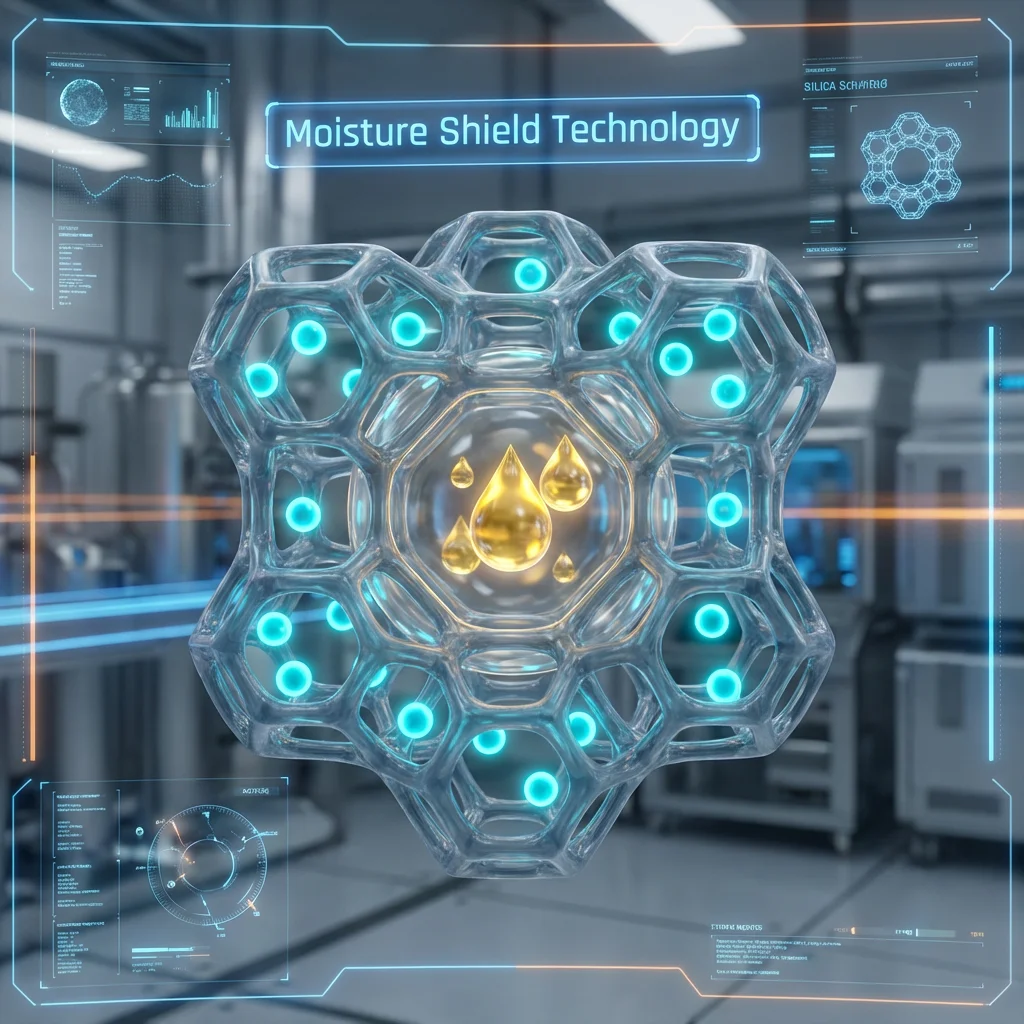
[Interactive] Silsep AquaPure™ pores (2.5nm) selectively trapping H₂O molecules while shielding lipid droplets.
AquaPure™ Synthetic Amorphous Silica features a precisely engineered 2nm uniform pore structure. This architecture provides a selective adsorption barrier:
In our latest study (Trial #42), feed treated with 0.5% AquaPure™ showed a 40% reduction in Peroxide Value (POV) after 30 days of storage at 32°C and 95% RH compared to untreated control groups.
Get the full Trial #42 data set and implementation guidelines for rainy season production.
Request PDF (Trial #42)
Anh Nguyen
Vietnam Tech Service