AmmoniaRescue™ Technology
2km Deep: Molecular Cation Exchange in High-Intensity Farming
The Challenge: Ammonia Spikes in Intensive Mekong Ponds
In high-intensity shrimp farming hubs like Sóc Trăng and Bạc Liêu, accumulated feed waste and metabolic products lead to rapid ammonia (NH3/NH4+) spikes. Vietnam's Decree 13/2020/ND-CP emphasizes water quality control, yet high ammonia levels continue to damage gill tissue, suppress immune systems, and cause mass mortality within hours. Traditional water exchange is increasingly restricted due to salinity intrusion and biosecurity risks.
Scientific Evidence: Mekong Delta Field Trials
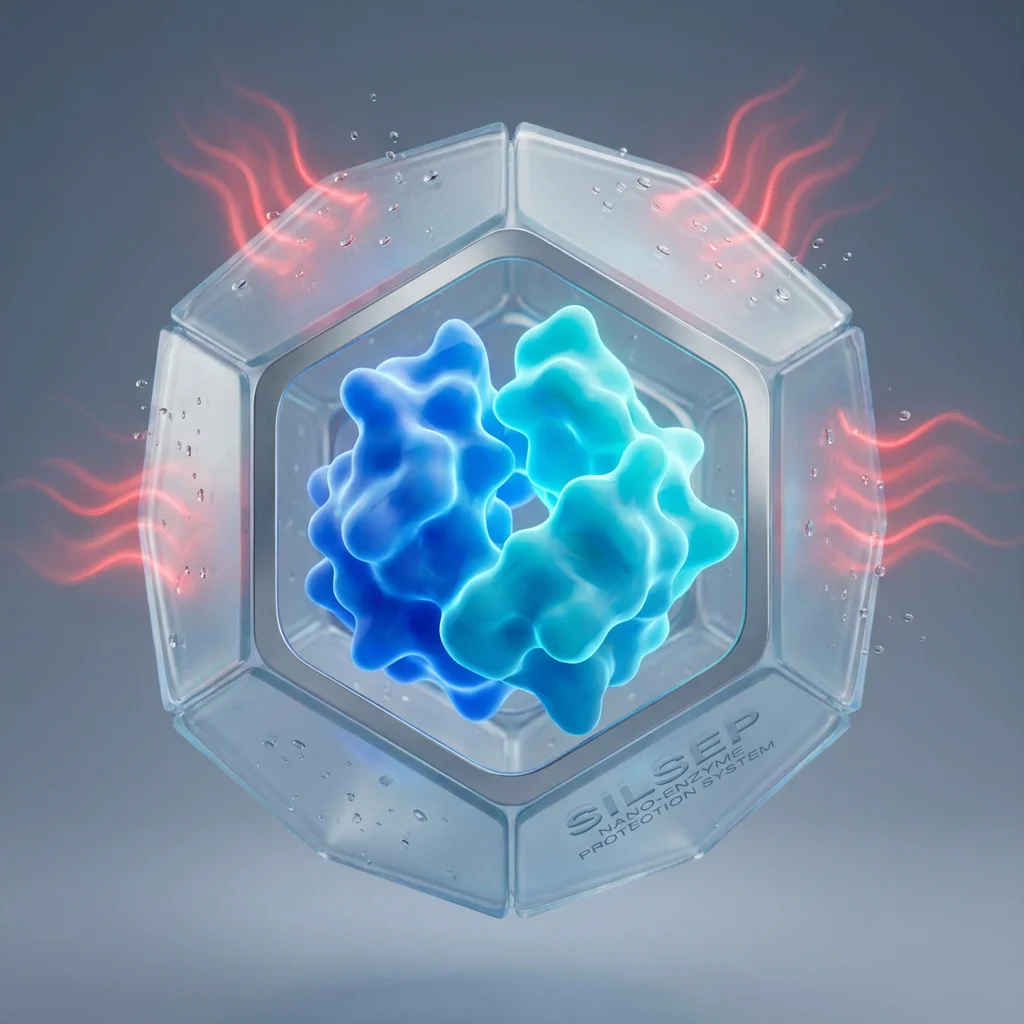
Molecular Mechanism: Electrostatic Cation Trapping
Silsep AmmoniaRescue™ employs Electrostatic Cation Trapping specifically optimized for the complex water chemistry of the Mekong Delta. Through controlled surface functionalization, each silica granule acts as a "Molecular Magnet", specifically targeting NH4+ ions. The high specific surface area (up to 300 m²/g) provides massive active sites for permanent cation exchange, ensuring the Hấp phụ Amoni-N process is irreversible, preventing re-release into the water column even under shifting pH conditions.
The Silsep Advantage: Molecular vs. Generic

Generic silica carriers (right) lack the surface functionalization required for active cation exchange. Silsep’s engineered mesoporous silica (left) features an Ordered Pore Network that maximizes molecular contact time, ensuring rapid and permanent ammonia removal where others fail.