In the procurement offices of large-scale premixers, the choice of carrier often comes down to price per ton. From a procurement perspective, Zeolite and Rice Hull seem like the clear winners. However, as a scientist with experience at **UCSD**, I evaluate carriers based on their "Total Operational Cost."
The Hidden Risks of Natural Carriers
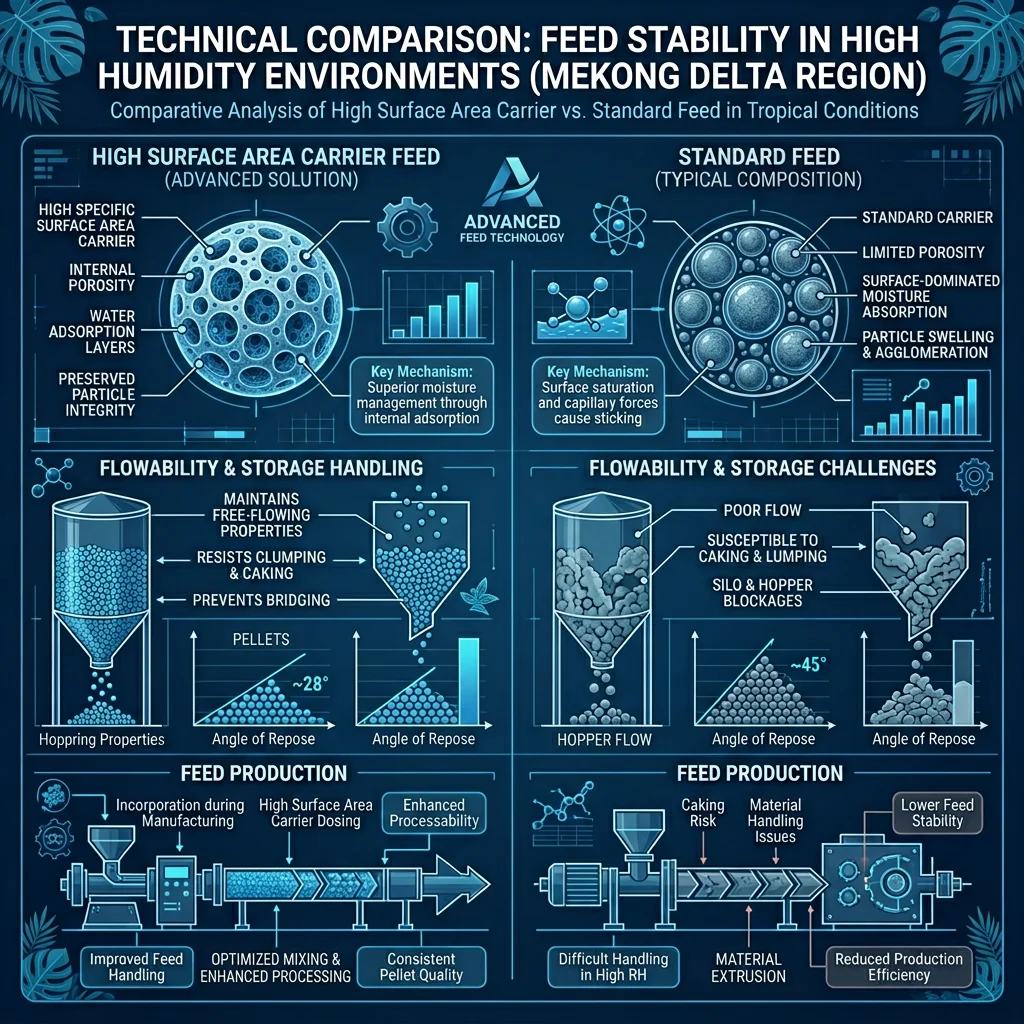
Zeolite: The Moisture Magnet
Natural zeolite is highly porous and hydrophilic. It frequently arrives with moisture levels exceeding 12%. In tropical regions, this water content reacts with heat-sensitive vitamins, drastically reducing their potency before they even reach the farm.
Rice Hull: The Mycotoxin Variable
Agricultural by-products like rice hulls are prone to mycotoxin contamination and heavy metal absorption. For high-value aquaculture species (shrimp, salmon), these contaminants can lead to increased mortality and poor FCR.
SILSEP Silica: Engineered for Zero Loss
Our engineered silica carriers are chemically inert and synthesized to a purity of ≥98%. While the upfront cost is higher, the savings are captured in three areas:
- Uniformity Gains: Achieving a CV below 5% means you don't need to "over-formulate" expensive vitamins to ensure compliance.
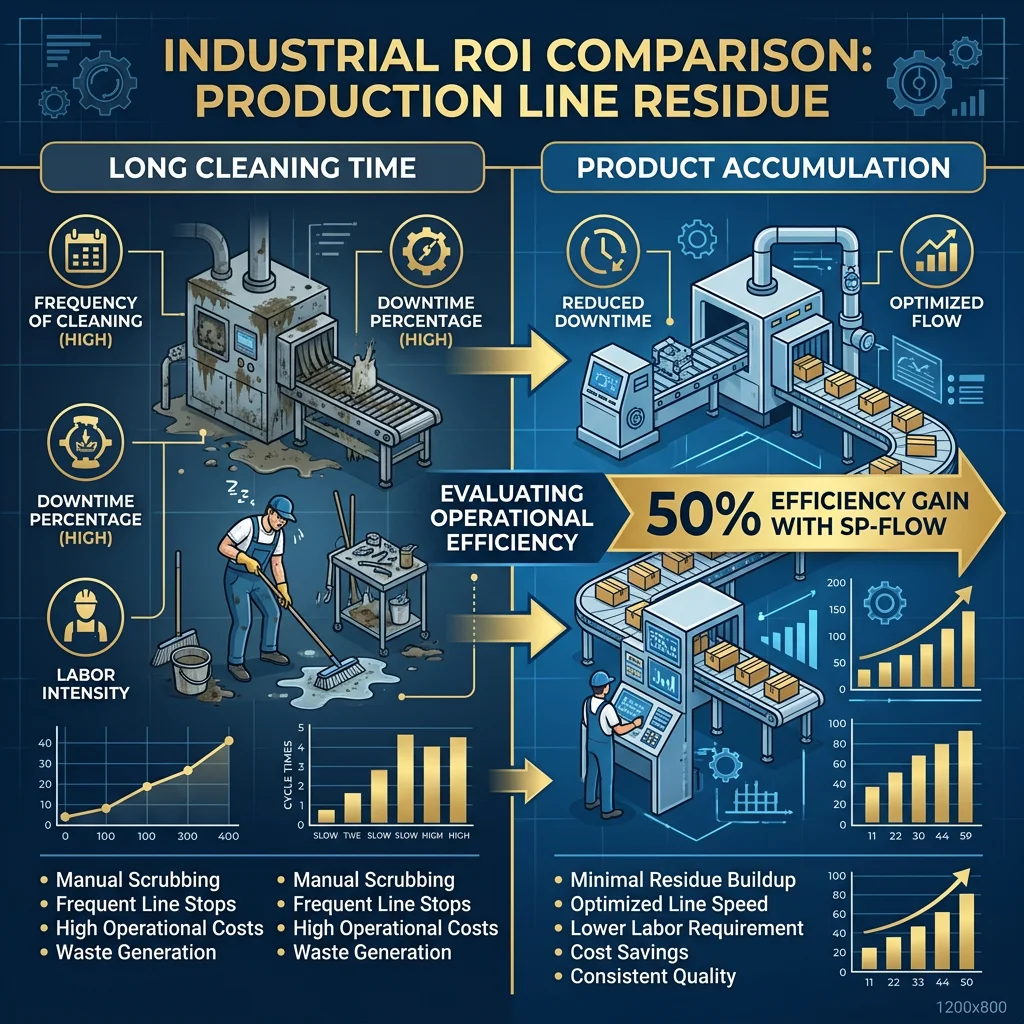
- Efficiency Gains: 50% less downtime spent cleaning "static-clogged" lines.
- Stability Gains: Extended shelf life by up to 6 months due to ultra-low moisture (≤6%).
Choosing a carrier based on price per ton is a false economy. Choosing based on molecular precision is a quality investment.